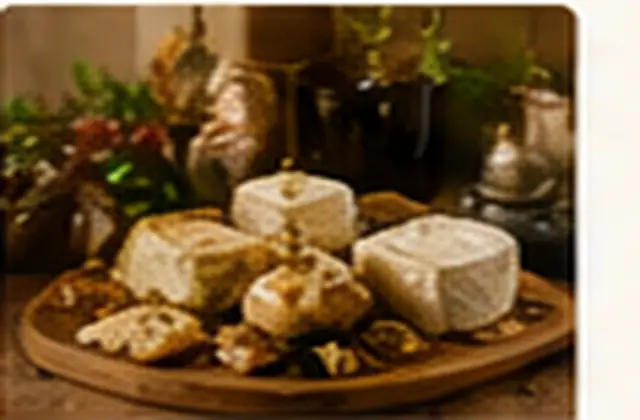
Explore cheese as a preservation method, regional craft and modern food without pretending every origin story is certain. This guide focuses on practical selection, serving and storage rather than declaring one universal winner.
At a glance
- Best starting point: ancient curds
- Compare: early preservation and monastic traditions
- Buy a small amount first
- Follow the package storage directions
What this guide helps you understand
The goal is not to memorize specialist vocabulary. It is to notice the few characteristics that change how a cheese tastes, handles and fits a meal. Start with early preservation, monastic traditions, industrial change and protected names, then compare one or two cheeses side by side.
For international substitutions, match texture and function first. Names and protected-origin rules differ, so an exact local equivalent may not exist.
How to make a useful choice
Read the full label, including milk type, pasteurization statement, origin and storage directions. Think about texture and intensity before brand or price. The “best” cheese is the one that suits the dish, the people eating it and the way it will be served.
Keep brief notes on the result: melt, salt, moisture, aroma and guest response. Those observations make the next choice more accurate.
Common misunderstandings
Cheese names are not always used consistently around the world. A style name may describe texture rather than protected origin, and the same cheese can taste different at different ages. Avoid treating one tasting note as a permanent rule.
Compare products that perform the same job before comparing price. A ancient curds and a very different cheese may both be good, but they answer different questions.
A practical first step
Choose a small amount of ancient curds, European aged cheese and modern artisan cheese. Taste at a moderate temperature, record what you notice and use the remainder in a planned meal. This builds experience without waste.
At home, use a clean knife and return unused cheese to suitable wrapping promptly. This protects both flavour and safety.
Buying and label notes
Availability and naming differ by country. When shopping for a short history of cheese, compare the ingredient list, milk type, pasteurization statement, country or region of origin, and storage directions. Protected names should be used accurately; a “style” description is not the same as a certified origin label.
Cost can reflect ageing, labour, origin or scarcity, but it does not guarantee that a cheese suits this particular use. Buy for purpose rather than prestige.
Serving and portion perspective
Cheese is concentrated in flavour, salt and energy, so modest portions often give the clearest tasting experience. Serve ancient curds and other choices with water and uncomplicated foods, then add richer accompaniments only when they improve the balance.
Plan a use for leftovers before opening several cheeses. Small remnants can often finish eggs, soups, pasta or a simple board if they remain safe and good quality.
International and dietary context
Recipes and cheese names vary across regions. Substitute by function—melt, moisture, salt and intensity—rather than assuming one local product is available everywhere. Anyone managing an allergy, medical condition or special diet should rely on packaging and qualified professional advice.
At the shop, inspect the package condition and storage temperature. A useful label gives more dependable information than a front-of-package slogan.
Final takeaway
The useful answer is usually a category or method, not a single brand. Start simply, observe the result and adjust the next purchase or recipe.